Builders at Heart: Mario Riaño
March 18, 2026


This article is part of our series Builders at Heart, where we highlight the passions and backgrounds of the Clark team — the things that shape us — that allow us to tackle challenges head-on, solve complex problems, and build what matters.
Meet Mario Riaño, Director of Workforce Development for Clark Concrete.
Tell us a little bit about your background.
Born and raised in Colombia, I began my career as a carpenter before earning my civil engineering degree. When my wife and I moved to the United States in 2000, I drew on that field experience to work as a laborer while I mastered English and the local building culture in Maryland. I truly loved that time; it gave me a perspective that defines my work today.
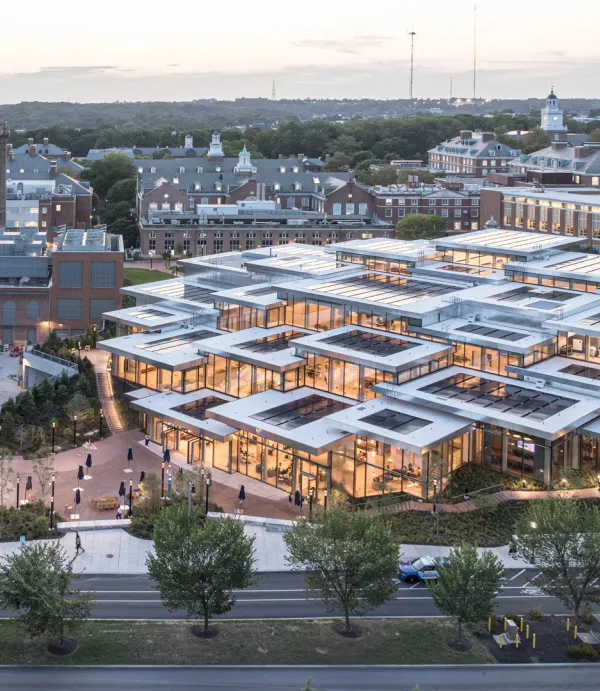
Once fluent, I transitioned into an office-based engineer role. In my 11 years with Clark, I have contributed to many projects, including GMU Fuse at Mason Square, CSX Virginia Avenue Tunnel Reconstruction, and the Dwight D. Eisenhower Memorial.
What brought you to Clark? And what has kept you interested?
When we first arrived in this area, we saw Clark’s tower cranes and jobsites all over the DC area. I was very impressed, so I told my wife that my goal was to work for Clark. The opportunity arrived, and Clark has exceeded my expectations not only professionally but also personally.
We build what matters, and those iconic projects I work on keep my interest in construction alive. My greatest inspiration remains the people who work with their hands day in and day out – our craft workers are the heart of this industry, and I’m honored to work alongside them. They inspire me to advance Clark’s efforts to foster their growth and to inspire younger generations to join the trades
Who has had the most influence on your life and why?
On a personal level, it was my father. He was my 'North' – the one who provided the core family values that guide me to this day. Right behind him was my mother, who was always there to support my growth.
In my professional life here in the United States, I was deeply influenced by a mentor I had when I started as a laborer. I didn't speak English, and he didn't speak Spanish, but he never let that language barrier stop him from teaching me. If he asked for a 2x4, he would walk with me, show me the wood, and show me how to read the tape measure.
That spirit of mentorship is exactly why I encourage our veterans to 'pass the torch.' Just as elite athletes retire in their 40s to make room for new talent, I want our experienced craftspeople to see that teaching the next generation is the best way to honor their own careers.
If you show up with passion and a commitment to the craft, you can build a highly successful, long-term career starting from the ground up.
What made you pursue a career in construction?
It’s in my blood – my father and my uncles were all engineers. When I graduated from school in Colombia, I wasn't entirely sure if college was the right path for me yet. I wanted to experience the work firsthand, so I decided to enter the trades as a carpenter.
Tell us more about your current role.
In my current role as Director of Workforce Development, I focus on bridging the generational gap within our industry. While I still oversee high-profile projects like Walter Reed and the Amtrak tunnel project in Baltimore, my primary mission is building the next generation of leaders.
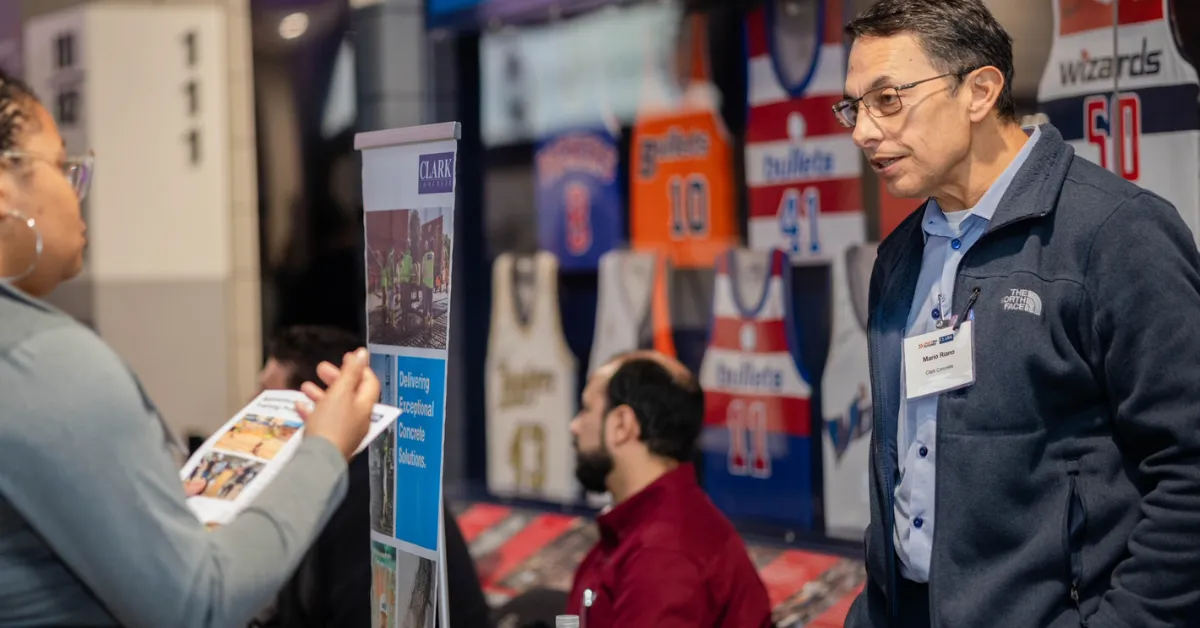
I manage our three registered apprenticeship programs, vetting applicants who may know nothing about construction but have the drive to learn. My major goal for 2026 is to develop a specialized curriculum that takes our best foremen from the field and trains them to become successful self-perform superintendents, ensuring our collective expertise is passed down rather than lost to retirement.
What do you like most about your current role?
What I love most is the opportunity to act on my passion for helping people grow within an industry I view as a 'small town' built on relationships. I truly enjoy the challenge of bridging the generational gap – using sports analogies to show our veterans that teaching is a way to honor their own careers while helping apprentices build a path from nothing to a successful future.
What is your proudest accomplishment?
I am particularly proud of two apprentices I recently guided – one who found his path as an electrician and another who chose to stay and grow with us because she loved the culture we built. Seeing them transition from knowing nothing about our industry to having a clear, successful future confirms my 'why.'
Any advice for someone starting in construction?
Never view your first entry-level role as just a job – it is a stepping stone. You might start out on a jobsite doing physical work like moving material, but if you do that well and show a true willingness to learn, you will grow quickly. This industry is full of people willing to teach those who have the drive. If you show up with passion and a commitment to the craft, you can build a highly successful, long-term career starting from the ground up.